The Spark #3: From Heat to Cold: How the Environment (and New Science) Are Shaping Parkinson’s Care
Environmental factors like temperature, humidity, and altitude can worsen Parkinson’s symptoms, while new science points to surprising ways the environment might also help, from mild hypoxia protecting brain cells to cold exposure easing tremors. Meanwhile, a new dopamine drug (tavapadon) is nearing FDA approval, photobiomodulation shows promise, and Professor Bloem continues to lead the way in rethinking care and prevention.
The brief
Fresh sparks from the world of Parkinson’s:
- Environmental factors like temperature, humidity, altitude, and barometric pressure can significantly influence Parkinson’s symptoms. As the American Parkinson Disease Association notes, heat and humidity may worsen dehydration and fatigue, while high altitude and pressure changes can increase dizziness, pain, and stiffness. Proper hydration, temperature control, and blood pressure monitoring are key to minimizing these effects.
- A potential new Parkinson’s drug, tavapadon, is nearing FDA approval. It works by selectively activating the D1 dopamine receptor, a long-overlooked target that may replicate levodopa’s benefits with fewer side effects and longer control of motor symptoms. In Phase 3 trials, the drug improved movement and extended “on” time when combined with levodopa.
- Back in August, scientists at Harvard Medical School found that exposing mice with Parkinson’s-like symptoms to low-oxygen conditions protected their brain cells and even reversed motor problems. The study suggests that excess oxygen caused by faulty mitochondria may damage neurons, and that mild hypoxia could counteract it. Human trials are still ahead, though.
- Just in case you don't know about it yet, the MDS Podcast brings you the latest on Parkinson’s and other movement disorders, straight from the experts. Each episode breaks down new research and real-world insights in a way that’s easy to follow—whether you’re a doctor, researcher, or just want to stay up to date on what’s happening in the field.
Paper Under Review
Effectiveness of Photobiomodulation to Treat Motor and Non-Motor Symptoms of Parkinson’s Disease: A Randomised Clinical Trial with Extended Treatment
A new clinical trial found that long-term use of photobiomodulation, red and near-infrared light applied to the head, neck, and abdomen, combined with exercise helped people with Parkinson’s move better and feel less anxious. Short-term results were modest, but those who continued the therapy for months saw steady gains in mobility and daily function, with no major side effects. It’s not a cure, but a safe, at-home tool that may complement meds and exercise. More research is needed.
The Human Spark
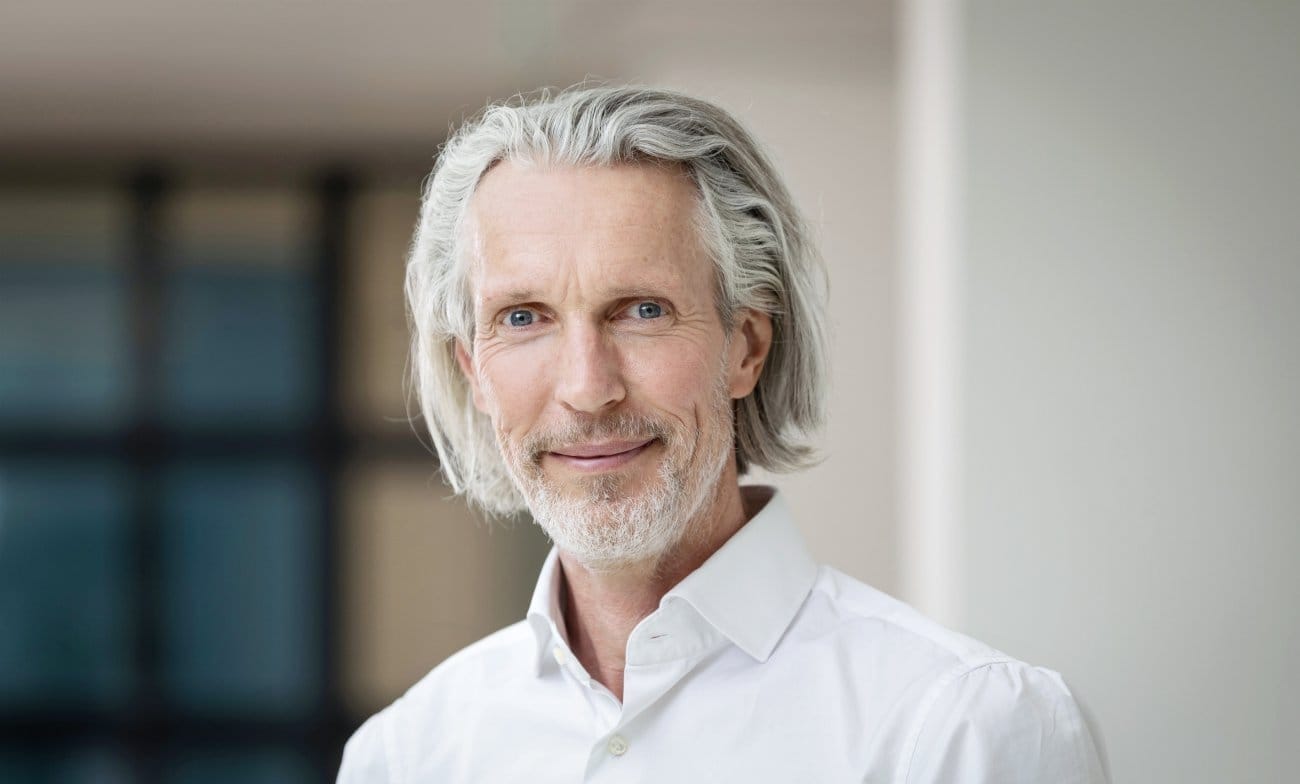
Professor Bloem is a leading neurologist at Radboud University Medical Centre in the Netherlands. He founded the Parkinson Centre Nijmegen and co-developed the groundbreaking care model ParkinsonNet, which links neurologists, physiotherapists, nurses and other specialists into a patient-centred network across the country. His research spans gait, balance and digital tools for PD management, and prevention, including how environmental toxins and lifestyle may influence disease onset. With hundreds of peer-reviewed publications (including one we recently highlighted about hypoxia) and a reputation for bridging science and patient care, Professor Bloem continues to push the boundaries of what’s possible for people affected by Parkinson’s.
Spark tip
There’s emerging evidence, both from small studies and anecdotal reports, that cold exposure can improve motor control, reduce tremor intensity, and boost dopamine receptor sensitivity temporarily. It likely works through a combination of vagus nerve activation, norepinephrine release, and mild stress-induced neuroplasticity.
It’s not a cure, obviously, but it's kind of like a natural “reset button”.
Try a 10-minute contrast shower 3–5 times a week, ideally in the morning. Start with 3 minutes of comfortably warm water to relax your muscles and open circulation, then switch to 1 minute of cold water (under 15 °C if possible) while keeping steady breaths and focusing on your neck, back, and legs. Repeat this warm-cold cycle twice more, always finishing with cold.
Don't forget to share
Over 10 million people live with Parkinson’s, and the number is quickly growing. Help by sharing The Spark with someone who’d love a dose of hope and science.
Disclaimer: SparkPD is for informational purposes only and not medical advice.